
PEB Construction in India: Why Steel Structures Will Dominate by 2030
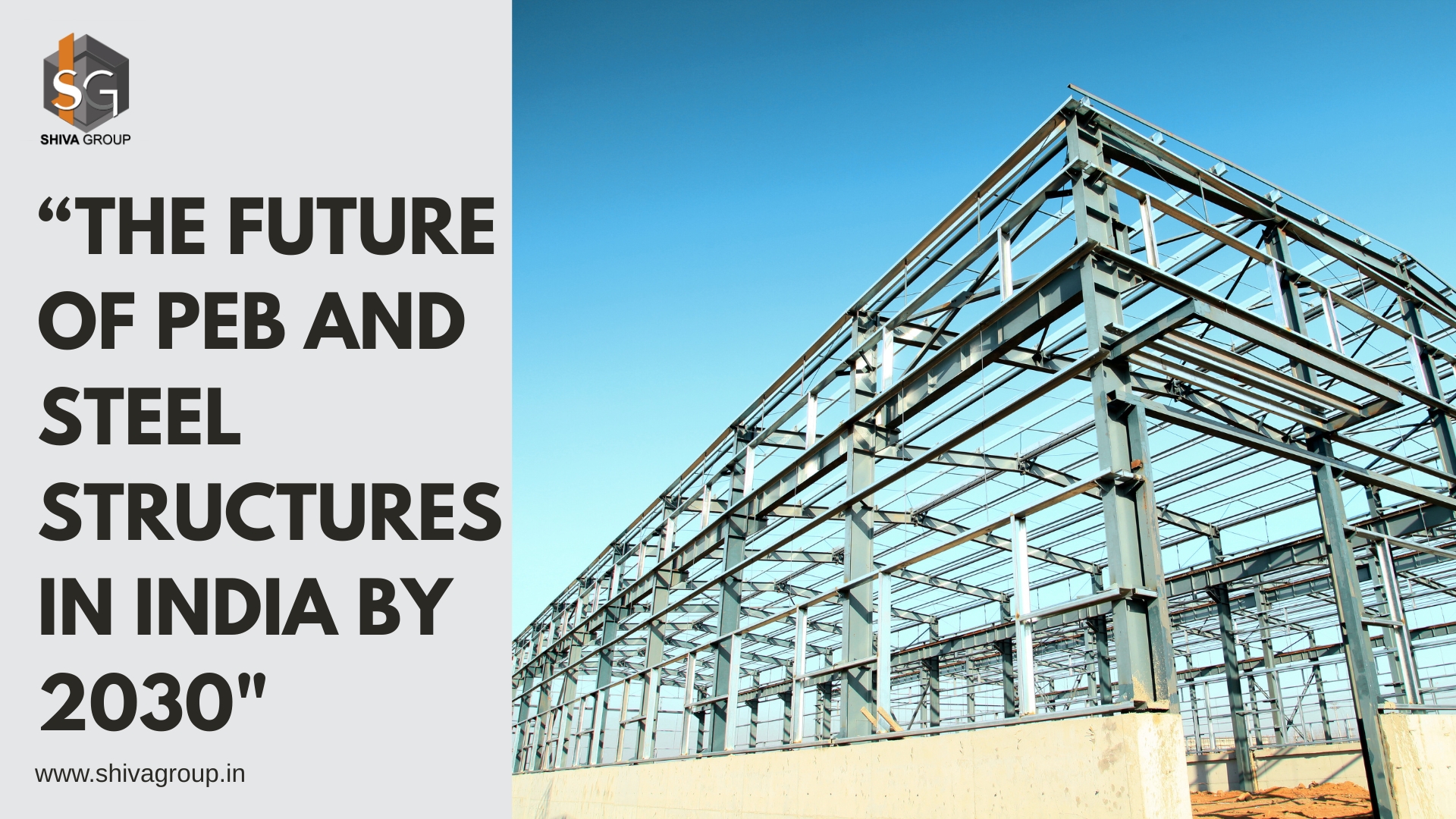
India is entering a phase where speed, sustainability and efficiency matter more than ever in construction. That’s why PEB construction in India is becoming the preferred choice across industrial, logistics and infrastructure sectors. Steel-first construction is faster, cleaner and far more adaptable to modern project needs. This shift is not a trend. It is a structural change in how India will build for the next decade. Below is a detailed look at why PEB construction in India will shape the country’s development by 2030. Table of Contents India’s Industrial Expansion Warehousing and Logistics Growth Sustainable and Green Construction Government Push for Faster Delivery Rise of Custom Engineering Cost Efficiency and Faster ROI India’s Construction Scenario by 2030 Why Shiva Group Fits India’s 2030 Steel Vision Final Thought 1. India’s Industrial Expansion Industries today need buildings that can start operating quickly. With Make in India gaining speed, new manufacturing clusters and industrial corridors are coming up across the country. PEB construction in India offers:• Fast project delivery• Flexible expansion options• Safer and cleaner sites This makes PEB ideal for factories, processing units and industrial plants where time-to-market matters. For reference, industrial growth trends are highlighted on the Invest India website (External Resource).(Insert external link) For users reading this on Shiva Group’s website, you can explore our Industrial Engineering page here:(Insert internal link: /industrial-services) 2. Warehousing and Logistics Growth India’s logistics and ecommerce ecosystem is scaling at record speed. From multi-city fulfilment centers to cold storage chains, developers prefer structures that allow large spans and fast construction timelines. PEB construction in India is already the backbone of most new warehouses because:• Steel buildings offer huge column-free spaces• Projects finish faster• The structure supports heavy racking and automation For internal readers, more on our warehousing expertise is here:(Insert internal link: /warehousing-engineering) 3. Sustainable and Green Construction Sustainability is becoming a core requirement in India’s infrastructure mission. Steel buildings support this shift naturally. Benefits of PEB construction in India for green projects:• Steel is 100 percent recyclable• Minimal site waste• Lower carbon impact• Precise manufacturing reduces rework With the government encouraging lower emissions in construction, PEB will be a major contributor to a cleaner ecosystem. You can explore India’s green building guidelines at the GRIHA Council website (External Resource).(Insert external link) 4. Government Push for Faster Infrastructure Delivery Railways, airports, agri-infrastructure and public utilities need projects that finish faster and maintain long-term durability. Many government tenders now mention steel structures as preferred options. Why government bodies choose PEB construction in India:• Shorter construction cycles• Lower maintenance• Suitable for large public assets Public sector entities like DFCCIL, Indian Railways and Smart City Missions have already deployed PEB in several projects. 5. The Rise of Custom Engineering Industries no longer want standard buildings. They want engineered-to-purpose facilities such as:• Multi-level industrial PEBs• Heavy load-bearing structures• Automated manufacturing units• Data centers• Cold chain and food processing plants• Hybrid buildings combining RCC + steel These needs are driving engineers toward advanced and custom-designed steel systems. Shiva Group supports such customisation through detailed engineering solutions.(Insert internal link: /engineering-services) 6. Cost Efficiency and Faster ROI Steel construction offers long-term savings beyond the initial material cost. Why PEB construction in India reduces cost:• Faster project completion = lower financing cost• Less labor expenditure• Controlled factory-made components reduce delays• Higher durability extends asset life As Indian steel production stabilizes, prices are becoming more predictable, making steel buildings even more cost-efficient. 7. India’s Construction Landscape by 2030 The shift is strong enough to reshape the entire construction ecosystem. Here’s what 2030 will look like if current trends continue: • 60 to 70 percent of new industrial buildings will adopt PEB construction in India• Warehousing will be nearly 100 percent steel-based• Hybrid RCC + PEB structures will grow across commercial, medical and institutional buildings• Public infrastructure will rely more on rapid steel construction methods India is preparing for a future where construction is faster, more dependable and far more sustainable. 8. Why Shiva Group Fits Into India’s PEB Vision for 2030 Shiva Group is aligned with India’s shift toward steel-first construction through our end-to-end engineering capabilities. We deliver:• Technical planning and DPR• Complete structural and PEB design• MEP engineering for complex industrial and logistics environments• Tendering, audits and execution support Our focus is to help industries build smarter, safer and faster with engineering that stands the test of time. Learn more about our PEB and structural design services here:(Insert internal link: /peb-design) Final Thought Steel will define India’s next decade of industrial and infrastructure growth. Companies that adopt PEB construction in India early will gain speed, cost benefits and better structural performance. The shift has already begun. The leaders of 2030 will be the companies that embrace steel today. #PEB2030 #PEBconstructionIndia #steelconstructionIndia #industrialfutureIndia #warehousingboomIndia #preengineeredbuildings #infrastructure2030 #steelstructures #growth Read on Linkedin Read more blog