
Modern Warehouse in 2026: Essential Steps for a Smarter, Faster Build
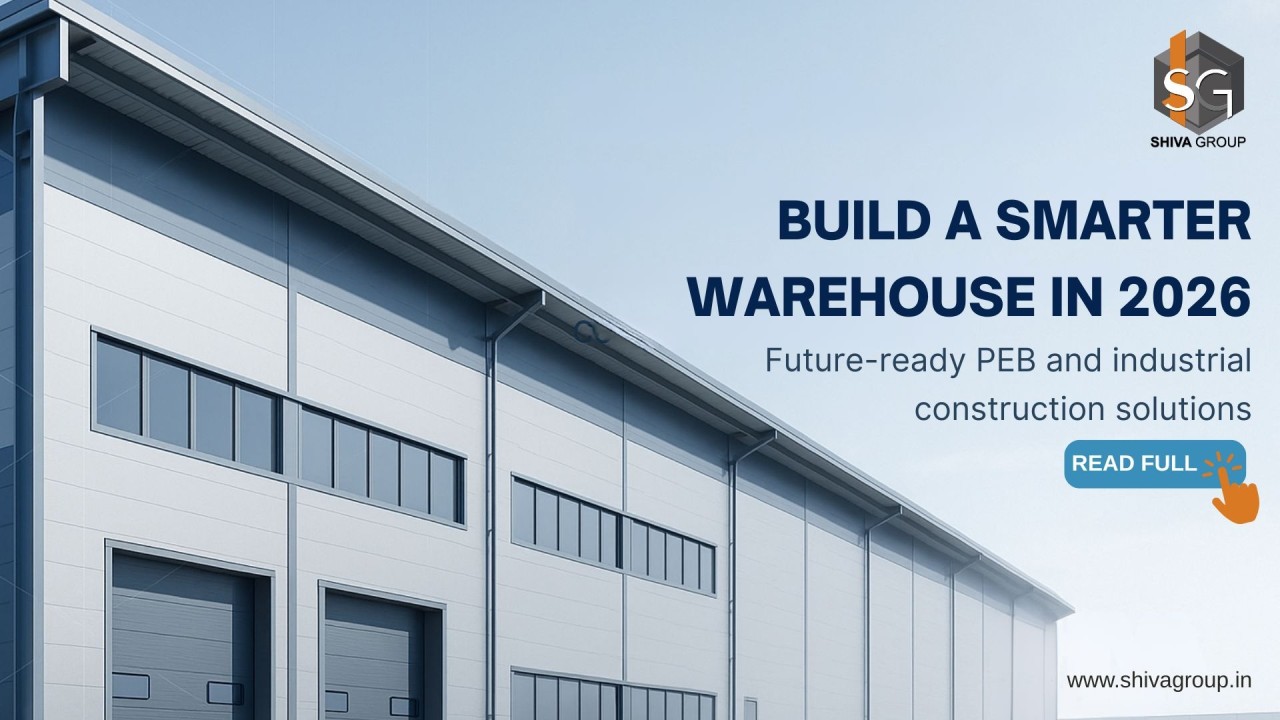
A modern warehouse in 2026 requires advanced design, accurate engineering, and long-term planning. With India’s rapid growth in manufacturing, logistics, and e-commerce, companies must upgrade warehouse infrastructure to match new operational demands. From PEB structures to automation, every decision impacts cost, efficiency, and scalability. This guide covers the essential steps to build a future-ready warehouse. 1. Introduction A warehouse is no longer just a storage building. In 2026, it becomes a high-performance asset supporting faster delivery, lean operations, and stronger supply chains. Companies must choose structures, systems, and layouts that support long-term growth. 2. Location Planning A strategic location improves logistics and reduces transportation cost. While selecting land: Choose sites near industrial corridors and highways. Ensure proximity to suppliers and markets. Evaluate labour availability. Confirm future infrastructure development. Check zoning and approval requirements. https://logistics.gov.in 3. Smart Warehouse Design Designing a modern warehouse requires: Adequate clear height for storage systems Proper docking and loading arrangements Smooth internal circulation Separate receiving, sorting, and dispatch zones Expansion-friendly layouts A smart layout improves productivity and reduces congestion. 4. PEB as the Preferred Structure Pre-Engineered Buildings are the top choice for warehouses today because they offer: Faster construction Lower material waste Accurate load calculations Superior durability Cost savings Customizable large spans Read More: https://shivagroup.in/services/peb-construction 5. Automation & Technology A modern warehouse in 2026 should be automation-ready. Consider: Automated Storage and Retrieval Systems (ASRS) RFID/barcode tracking Conveyor integration IoT-based warehouse monitoring Digital dashboards for inventory Designing for automation early prevents costly future revisions. 6. Sustainability Goals Sustainable features lower long-term operating costs. Add: Solar-ready roofing Insulated panels LED lighting Natural ventilation Rainwater harvesting Waste-reduction materials These features help meet ESG requirements. 7. Cost Planning Proper budgeting ensures smooth execution. Plan for: Steel and material market changes Automation investments Energy-efficient systems Fire safety Long-term maintenance Expansion requirements Value engineering helps reduce cost without affecting performance. 8. Safety & Compliance A compliant structure avoids operational risks. Follow: National Building Code (NBC) Fire prevention guidelines Wind and seismic load requirements Environmental regulations Local authority approvals 9. Material Handling & Digital Monitoring Material movement efficiency is crucial in modern warehouses. Companies increasingly use: Electric pallet trucks Automated forklifts High-speed shutters for zoning High-capacity racking systems Digital monitoring systems add further accuracy: IoT sensors for temperature and humidity Security and door activity tracking Real-time equipment health analytics These upgrades reduce errors and operational downtime. 10. Operational Planning & Long-Term Performance A modern warehouse must support future growth. Operational planning includes: Workflow mapping for peak load seasons Space optimization for SKU expansion Network connectivity for digital tools Power backup for automation systems Better ergonomics for workers Companies are also adopting skylights, turbo ventilators, and insulated roofing for comfort and energy savings. As warehousing demands continue to evolve in 2026, companies are also focusing on workforce planning and safety-driven infrastructure. A modern warehouse must support smooth human movement, clear visibility, ergonomic workstations, and easy access to safety equipment. Installing signage, floor markings, anti-slip surfaces, ventilation systems, and well-lit pathways improves both efficiency and safety. These elements not only reduce workplace accidents but also support compliance during audits. Another growing trend is hybrid warehouse operations, where businesses combine manual processes with semi-automated material handling tools. This allows companies to optimize cost while still improving throughput and order accuracy. Industries managing high SKU ranges benefit greatly from advanced racking systems, digital picking tools, and real-time tracking dashboards. Planning for these systems early ensures that electrical, networking, and structural requirements are addressed during construction rather than after the warehouse becomes operational. Finally, businesses are paying more attention to resilience planning. Weather events, power outages, and supply chain disruptions can affect warehouse performance. Designing backup routes, power systems, and contingency storage zones helps improve long-term operational stability. 11. Choosing the Right Construction Partner A modern warehouse in 2026 needs expert engineering. Shiva Group provides: Optimized PEB design Faster construction timelines Durable materials Tailored warehouse solutions Experienced project management Our Projects Modern warehousing in 2026 also requires stronger coordination between design, engineering, and on-ground operations. Companies planning new facilities often benefit from early-stage collaboration workshops where workflow mapping, storage requirements, and automation readiness are discussed in detail. This ensures the final warehouse layout matches real operational needs and avoids unnecessary modifications later. 12. Conclusion Building a modern warehouse in 2026 requires the right mix of smart design, automation, PEB engineering, sustainability, and long-term planning. Businesses that invest in efficient and future-ready structures create stronger supply chains and reduce operational costs. Shiva Group continues to support India’s industrial growth with advanced PEB and warehouse construction solutions.